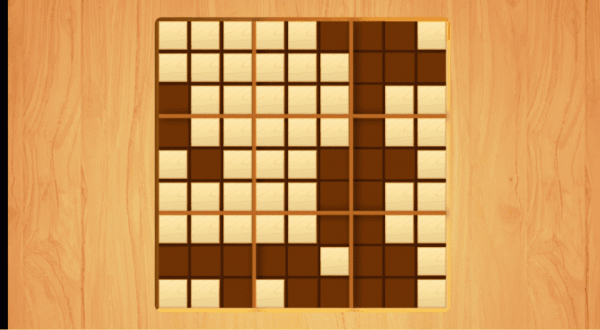
Wood Block Puzzle stands out for what it removes: the clock. Without time pressure, every placement becomes a small spatial puzzle, and the 9x9 grid keeps sessions compact. The wood-grain look reinforces the relaxed tone. Players who enjoy Tetris-style shapes but want a slower, more deliberate challenge will get the most from it. The main limitation is variety; the core loop does not change, so its appeal depends on how much you enjoy optimizing the same board.
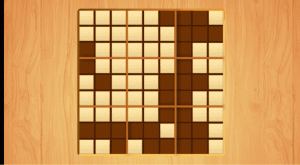
Wood Block Puzzle uses a 9x9 board and a set of wooden pieces made of connected squares, similar to Tetris shapes. You drag and drop each piece onto the grid. The goal is to position blocks so they fit without overlapping. When a full row or column forms, it clears and opens space for more pieces. The game ends when no piece can be placed. [IMG_1]
There is no countdown or time pressure. You can study the board, rotate pieces mentally, and choose where each block lands. That freedom shifts the challenge from speed to spatial reasoning. The core decision is always the same: where does this piece go so the board stays open for the next one? Because every placement changes the shape of available space, one careless move can block several future options.
The wood-grain aesthetic gives the pieces a natural, grounded look. That visual choice supports the calm pace: nothing flashes or rushes you. The design keeps attention on the grid and the shapes rather than on timers or score pop-ups. It is a presentation meant to reduce distraction, not add spectacle. [IMG_2]
Each session is unique because the order of pieces varies. You play until the board fills, then start again. Clearing multiple lines at once earns bonus points, so there is a scoring incentive to build combos rather than clear single lines. The loop is simple: place, clear, score, continue. That structure gives the game replay value without adding new rules or modes.
Sign in to comment
You must be logged in before posting a review or rating.
No comments yet. Be the first to comment!




Editorial Notes