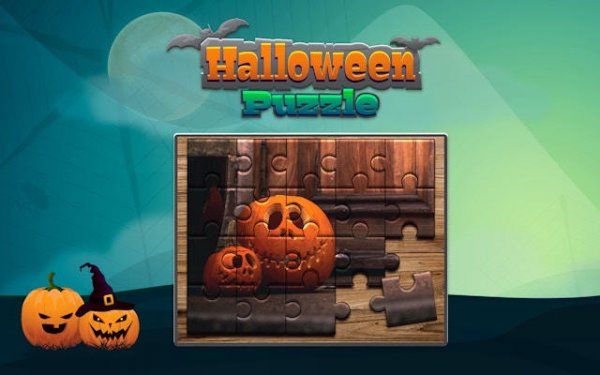
Seasonal Jigsaw Challenge: Fall Edition succeeds in its goal of providing a relaxing puzzle activity. The artwork is warm and inviting, capturing the essence of the season without relying on clichés. The gradual increase in piece count keeps the game engaging without becoming frustrating. The absence of timers or scoring is a deliberate design choice that allows players to fully immerse themselves in the assembly process. This is a solid choice for anyone seeking a quiet, screen-based activity that respects their time and pace.
Seasonal Jigsaw Challenge: Fall Edition presents players with a straightforward task: reconstruct a series of autumn-themed images by dragging and dropping scattered pieces into their proper positions. Each puzzle begins with a preview of the completed picture, which serves as a visual reference throughout the assembly process. The interface keeps interactions simple, allowing players to focus entirely on matching shapes, colors, and patterns without distractions.
The game draws its visual identity from classic fall imagery. Players will encounter scenes featuring wooded areas with changing leaves, cheerful decorative gourds, and warm, inviting houses nestled among the trees. These visuals are designed to evoke a sense of calm and seasonal appreciation, making the experience suitable for both younger and older audiences. The artwork emphasizes bright, natural colors and wholesome subject matter.
As players work through the available puzzles, the number of pieces gradually increases. Earlier puzzles feature fewer pieces, making them accessible to newcomers or those seeking a brief activity. Later puzzles require more careful observation and spatial reasoning, offering a gentle increase in difficulty. This structure allows players to build their skills over time without feeling overwhelmed by a steep learning curve.
A defining characteristic of this game is its complete lack of pressure. There are no timers counting down, no scores to maximize, and no penalties for incorrect placements. Players can freely experiment by moving pieces around the board until they find the correct fit. This design makes the game ideal for short breaks or longer, immersive sessions, depending on individual preference.
For those looking to improve their puzzle-solving approach, a few simple strategies can help. Starting by separating edge pieces and building the outer border provides a clear framework. Using the preview image to identify distinct color areas or objects, such as a bright orange pumpkin or a red barn, allows players to work in focused sections. Taking occasional breaks can also help maintain a clear perspective when tackling more complex puzzles.






Player Reviews
Sign in to comment
You must be logged in before posting a review or rating.
No account? Create one
No comments yet. Be the first to comment!