
Glimmer Trail stands out for its careful balance of action and strategy. The two demo levels showcase tight controls and a resource system that adds depth to every jump and fight. The pixel art is not just nostalgic but functional, using light and shadow to guide the player and tell a story. Combat feels like a puzzle, rewarding patience over speed. While short, the demo leaves a strong impression and builds anticipation for the full release.
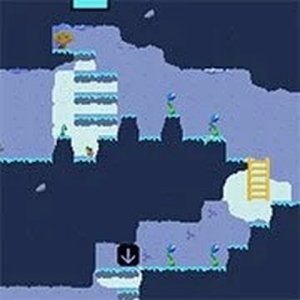
The game presents a world where illumination and darkness are central to both the story and gameplay. Environments shift between brightly lit areas and deep shadows, each affecting how players navigate. The pixel art style emphasizes this contrast, with glowing elements standing out against darker backdrops. This visual approach supports the narrative without needing lengthy text, as the scenery itself hints at past events and current conflicts.
Controlling Rem requires attention to timing and spacing. The demo introduces basic maneuvers through a brief tutorial, then lets players apply these skills across two distinct stages. Jumps must be measured, and landings need to be precise to avoid hazards. A limited resource powers a special ability, adding a layer of resource management to movement choices. Players must decide when to use this resource for traversal or for overcoming obstacles.
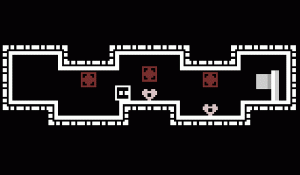
Encounters in this demo are designed to test observation rather than speed. Each opponent follows a set pattern, and players must identify the right moment to act. Rushing into battle often leads to setbacks, while waiting for openings proves more effective. This approach turns combat into a series of small puzzles, where patience and pattern recognition are key. The resource system also applies here, as the special ability can turn the tide in tougher fights.
Hidden paths and optional rooms are scattered throughout the levels. These areas may contain collectibles or additional story fragments that enrich the overall experience. Exploring thoroughly adds replay value, as some secrets are easy to miss on a first playthrough. The demo encourages players to revisit stages to find everything, rewarding curiosity with a deeper understanding of the game's world.
The combination of pixel art and audio design creates a mood that supports the narrative. Music shifts subtly between areas, and sound effects for movement and interactions feel responsive. The art style uses color and shadow to convey emotion, making the world feel alive despite its retro aesthetic. This attention to atmosphere helps the demo leave a lasting impression, even in its short runtime.









Player Reviews
Sign in to comment
You must be logged in before posting a review or rating.
No account? Create one
No comments yet. Be the first to comment!